
The fascinating journey of gambling a historical perspective on its evolution
The Origins of Gambling
The history of gambling dates back thousands of years, with its origins intertwined with the development of civilization itself. The earliest evidence of gambling can be traced to ancient China around 2300 BC, where rudimentary games of chance were played using wooden sticks and dice. These early forms of gambling were often linked to rituals and festivities, highlighting the cultural significance of chance and luck in early societies. Today, players can discover fascinating platforms, such as a casino not on gamstop, which expand the gaming experience significantly.
As civilizations evolved, so did the complexity of gambling. Ancient Rome and Greece incorporated gambling into their social fabric, utilizing dice and betting on various events, including gladiatorial games and chariot races. This not only reflects the human fascination with risk and reward but also showcases how gambling has served as a form of entertainment and social bonding throughout history.
Gambling in the Middle Ages
The Middle Ages saw the continuation of gambling traditions, albeit under the scrutiny of religious authorities. Despite efforts to suppress gambling due to moral concerns, activities such as card games and betting on outcomes of jousts became increasingly popular among nobility. The invention of playing cards in the 15th century revolutionized gambling, leading to the establishment of various card games that are still enjoyed today.
This era also marked the emergence of gambling houses, which laid the groundwork for modern casinos. These establishments were often clandestine, operating in secrecy due to the associated stigma. Nonetheless, they became hubs of social interaction, blending leisure and risk in a way that would continue to evolve in the centuries to follow.
The Rise of Modern Gambling
The 17th and 18th centuries marked a significant shift in the perception of gambling, particularly with the establishment of formal gaming houses and the introduction of regulated betting. The first official lottery was established in France in the 16th century, further legitimizing gambling as a structured activity. This period also saw the rise of notable games like roulette and baccarat, which were designed to attract the upper classes and provide a more refined gambling experience.
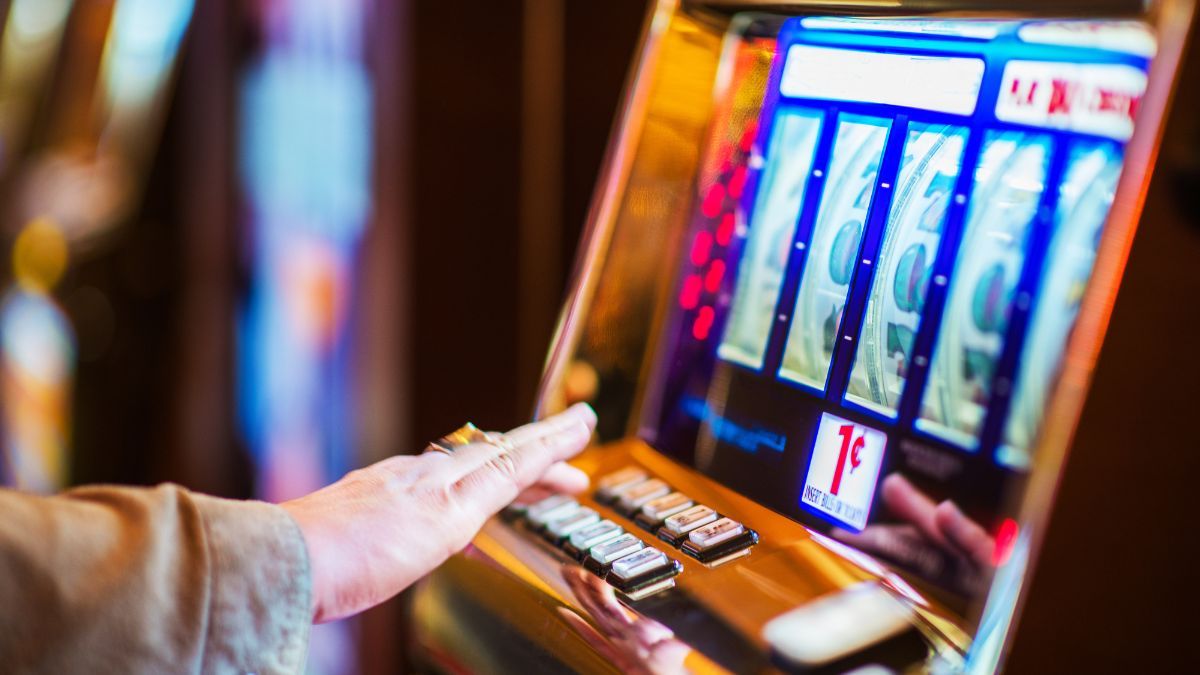
By the 19th century, the industrial revolution had transformed gambling once again, introducing new technologies and expanding access. The introduction of slot machines and the establishment of Las Vegas as a gambling capital in the 20th century ushered in a new era of entertainment, with gambling becoming a multi-billion dollar industry worldwide. This evolution reflects changing societal attitudes towards gambling, as it transitioned from a taboo activity to a popular mainstream pastime.
Gambling Myths and Misconceptions
Throughout its history, gambling has been shrouded in numerous myths and misconceptions. Many believe that luck is the sole factor in winning, overlooking the importance of strategy and knowledge in certain games. Additionally, the myth that certain players possess “lucky” charms or rituals that guarantee wins has persisted, despite the randomness inherent in games of chance.
Another common misconception is the idea that gambling leads inevitably to addiction. While it can be addictive for some, many people enjoy gambling responsibly. Understanding these myths is crucial for creating a more informed perspective on gambling, allowing individuals to engage in it without falling prey to unfounded beliefs that could affect their choices and experiences.

Exploring Non-GamStop Casinos
The modern gambling landscape has evolved to include a diverse range of options, particularly with the emergence of non-GamStop casinos. These platforms offer players a unique opportunity to enjoy gaming experiences beyond the restrictions of traditional UK regulations. With a focus on flexible gaming options, these casinos often feature an extensive array of games, from slots to table games, appealing to a wide audience.
Additionally, non-GamStop casinos often prioritize user experience, providing generous promotions and swift payouts, ensuring players have access to an enjoyable and engaging environment. For those seeking to explore the dynamic world of gambling, these casinos represent a new frontier, catering to various preferences and enhancing the overall gaming experience.
